Quick Service, Quality Work, We Answer Our Phones 24/7
Se Habla Español >
1 (760) 977-5511
Estate planning is intended to provide clarity, control, and efficiency in managing assets and decision-making. However, certain common mistakes can reduce the effectiveness of a plan or create unintended consequences.
Identifying and avoiding these errors is an important part of ensuring that an estate plan functions as intended.
One of the most common issues is not having an estate plan in place at all.
Why It Matters
Without a plan, asset distribution is determined by state law. In California, intestate succession under Probate Code §§6400–6414 governs how assets are distributed, which may not align with your preferences.
A will is an important document, but it does not address all aspects of estate planning.
Why It Matters
A will does not avoid probate and does not provide authority for financial or medical decisions during incapacity.
Creating a trust without transferring assets into it is a common oversight.
Why It Matters
Assets that are not transferred into the trust may still be subject to probate, reducing the effectiveness of the trust.
Estate plans that are not updated over time may no longer reflect current circumstances.
Why It Matters
Changes in family structure, assets, or applicable laws can result in outdated provisions that do not align with your intentions.
Certain assets transfer based on beneficiary designations rather than through a will or trust.
Why It Matters
If beneficiary designations are not aligned with your estate plan, assets may be distributed in a manner that conflicts with your overall intentions.
Estate planning documents must meet specific legal requirements, including proper signing, witnessing, and notarization.
Why It Matters
Improperly executed documents may be challenged or deemed invalid.
Estate planning documents must work together as a unified system.
Why It Matters
Conflicting instructions between documents can create confusion, delays, or disputes during administration.
Selecting individuals to serve as trustees, executors, or agents requires careful consideration.
Why It Matters
These individuals are responsible for managing assets and carrying out instructions. Poor selection can lead to mismanagement or conflict.
Estate planning is not limited to asset distribution after death.
Why It Matters
Without documents such as a power of attorney or healthcare directive, decisions during incapacity may require court involvement.
Estate planning should be treated as an ongoing process rather than a one-time event.
Why It Matters
Failure to review and update a plan can result in inconsistencies or unintended outcomes over time.
When someone needs to act on your behalf—whether an agent under a power of attorney or a
successor trustee—recorded documents provide clear, verifiable proof of their authority. This
helps them accomplish necessary tasks without constant challenges or requests for verification.
If you are reviewing your estate plan, consider asking:
• Are all of my documents current and properly executed?
• Have I transferred assets into my trust where applicable?
• Do my beneficiary designations align with my plan?
• Are my chosen fiduciaries still appropriate?
Identifying and addressing potential issues early can help ensure that your estate plan functions as intended.
Failing to fund a living trust after it has been created ranks among the most frequent oversights. Many people go through the process of drafting and signing a trust, only to never transfer their assets into it. When this happens, those assets may still be subject to California probate — defeating the primary purpose of having a trust in the first place.
Yes, many estate planning mistakes can be corrected through various legal remedies available under California law, including the use of a correction affidavit in certain situations where minor errors exist in a will or trust document. Common corrections also include amending or revoking a trust or will, creating a new trust or will, filing a petition for reformation or revocation with the probate court, or using post-death planning strategies like disclaimers or trust modifications. However, the ability to correct mistakes depends on the specific error, timing, and whether the document was properly executed, so consulting with a California estate planning attorney is advisable to determine your best options.
Yes — and this surprises many people. Assets such as life insurance policies, retirement accounts, and payable-on-death bank accounts transfer directly to the named beneficiary, regardless of what your will or trust says. This is why it is essential to review and align your beneficiary designations with your overall estate plan, especially after major life events like marriage, divorce, or the birth of a child.
As a general rule, estate plans should be reviewed every three to five years and after any significant life change — such as marriage, divorce, the birth of a child or grandchild, a major change in assets, or the death of a named trustee or beneficiary. California law also changes periodically, which can affect how your documents function. Regular reviews help ensure your plan still reflects your current wishes and complies with applicable law.
In California, estate planning documents such as wills and trusts must meet specific legal requirements to be valid — including proper signing, witnessing, and in some cases notarization. Documents that do not meet these requirements may be challenged, deemed invalid, or require court involvement to resolve. This is one reason why working with a knowledgeable professional during the preparation and execution process is so important.
Because estate planning involves multiple documents and legal requirements, many individuals benefit from professional guidance.
• Identify potential issues within an estate plan
• Ensure documents are properly structured and executed
• Provide guidance on asset distribution and legal compliance
• Review plans for completeness and consistency
Legal Document Assistants can assist with document preparation at your direction once decisions have been made. This may include:
• Preparing estate planning documents
• Organizing document packages
• Assisting with execution requirements
Legal Document Assistants cannot provide legal advice or determine strategy.
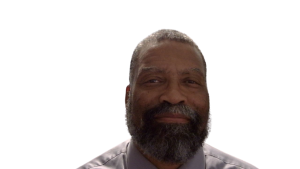
Eric Hawkins is a California Legal Document Assistant. Legal Document Assistants are not attorneys and cannot provide legal advice, select forms for you, or tell you which documents you need. LDAs can only prepare documents at your specific direction after you've made decisions about your legal matters, ideally with guidance from an attorney.

Leaky Stamp is proud to be the go-to notary Hesperia CA who comes to you—day or night.
Leaky Stamp is committed to providing quality, effective, and efficient service to its customers with the convenience and flexibility to fit their needs and lifestyles. We are proud to be of service to the community and look forward to providing it for the benefit of our valued customers.[gtranslate]
*WE'RE NOT ATTORNEYS!
We can only provide self help services at your
specific direction.
Note: Legal Document Assistants are governed
by the following Sections of the California
Business and Professions Code: 6400-6401.6,
6402-6407 and 6408-6415. 8200-8232.4
Designed By nomarketingagency.com

